
Better Global Future · Module 4 of 5
Module 4: Taking Responsibility
Explore what it means to take responsibility for the future, and what kind of ancestor you want to be.
It is easy to feel that the world's biggest problems belong to someone else: governments, companies, older generations. This module asks a more personal question: what is your part?
At its heart is the idea of being a good ancestor, making decisions today that future generations would thank us for. You will weigh some hard facts about the state of the planet against real progress in health, education and peace, and consider how each affects your sense of what is possible.
Your worksheets for this module ↓
Three short worksheets go with the eight steps. Print them, fill them in on screen, or keep a notebook beside you.
In this module you will
- Reflect on what responsibility means to you, both personally and collectively.
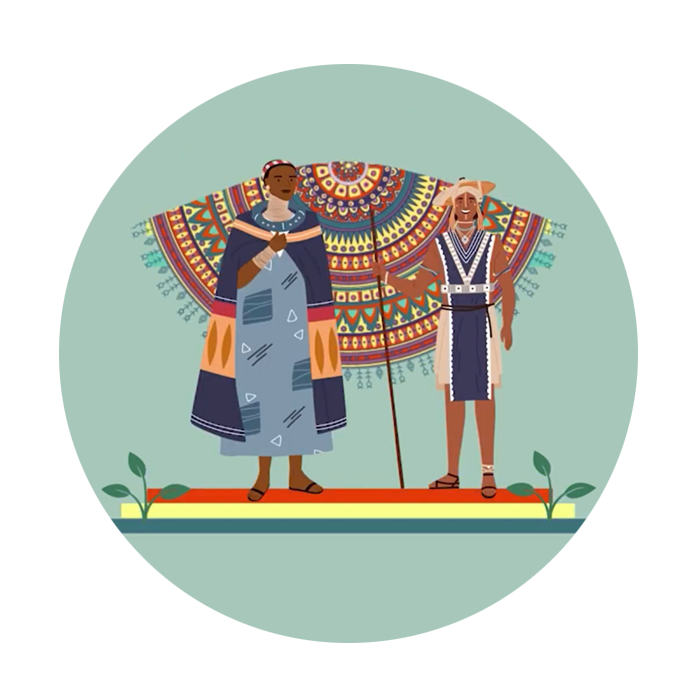
- Explore the idea of being a responsible ancestor, and traditions that think seven generations ahead.
- Balance hard facts about our planet with the evidence of progress.
- Commit to taking responsibility for one thing within your reach.
What you can take away
- A personal definition of responsibility that you can act on.
- A balanced view of the world, with serious problems alongside real progress made by people who believed change was possible.
- A concrete way to be a better ancestor, starting now.
Your worksheets
Read each worksheet online first; download the fillable PDF only if you want your own copy. Your answers stay with you.
Reflect
Step 1: Your initial thoughts
Listen
Step 2: Hear what others think
Challenge
Step 3: Challenge your thinking
The film asks what kind of future your actions are creating for the generations to come. It points to a 1997 UNESCO declaration on the responsibilities of present generations towards future ones, and to indigenous traditions that weigh the impact of decisions seven generations ahead.
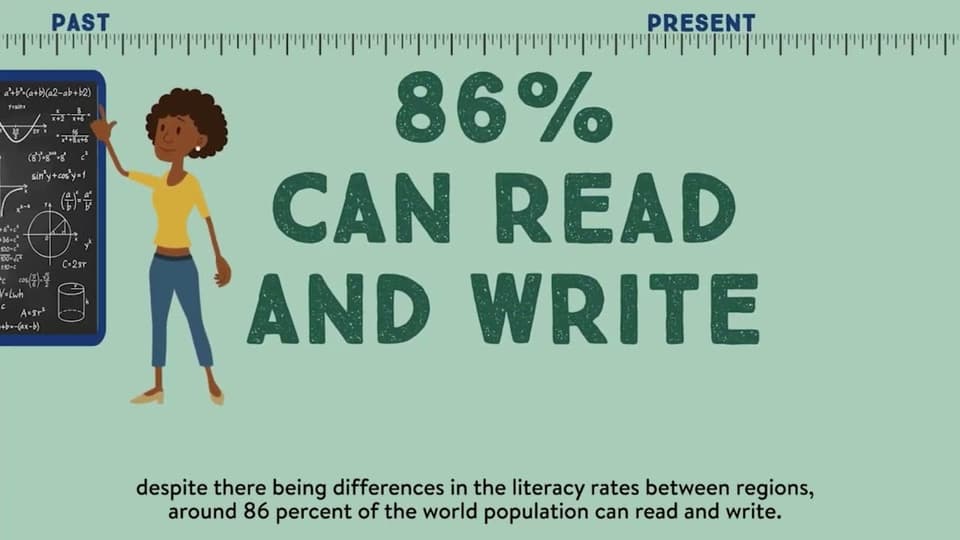
It then sets hard facts about the loss of wildlife, forests and water and the climate crisis alongside progress in literacy, peace, health and the reduction of extreme poverty. Seeing only problems can leave us feeling powerless, it suggests, while seeing progress can show us that we have a part to play.
React
Step 4: Your reaction
Listen
Step 5: Explore the reactions of others
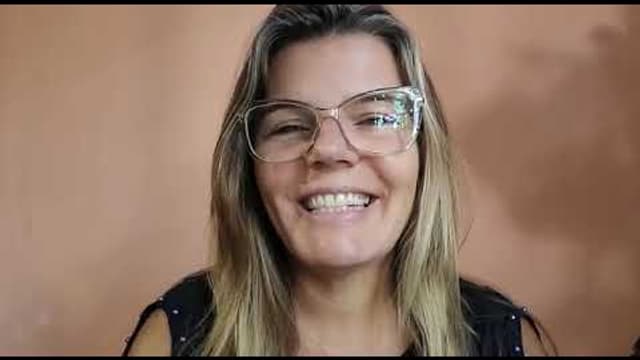
Participants respond with a reminder that what we do now shapes the future, a call to make sure progress in one area does not come at the cost of another, and a plea to listen to young people and to nature, and then to act. Try to choose voices that differ from yours in gender, age or place.
Reflect
Step 6: Your AHA moment
Listen
Step 7: Hear the AHA of others
Commit
Step 8: Let's do something!
Go further
Suggested activities
Optional tasks to deepen your thinking after the eight steps. Pick one that suits you; there is space for it at the end of the worksheet.
A letter to the seventh generation
20 minutes
Write a short letter to someone who will be alive about 150 years from now. What do you hope they will inherit? What would you like them to know you did?
Circles of responsibility
15 minutes
Draw three circles: yourself, your community and the world. In each, write what you already take responsibility for, and one thing you could take on.
Check the facts today
20 minutes
The film's figures date from around 2022. Choose one of them, such as literacy or extreme poverty, and look up the latest data from a source like Our World in Data or the United Nations. What has changed? Does the trend make you more or less hopeful?
Coming next. Module 5 is about the hardest step of all, moving from vision to action, and inviting others to join you.
The films were first published on YouTube between December 2022 and January 2023. Where they quote statistics, these reflect the data available at the time. Videos play in YouTube's privacy-enhanced mode, and nothing is loaded from YouTube until you press play.